Interlock vs Tiles: Why Interlock Suits Outdoor Surfaces
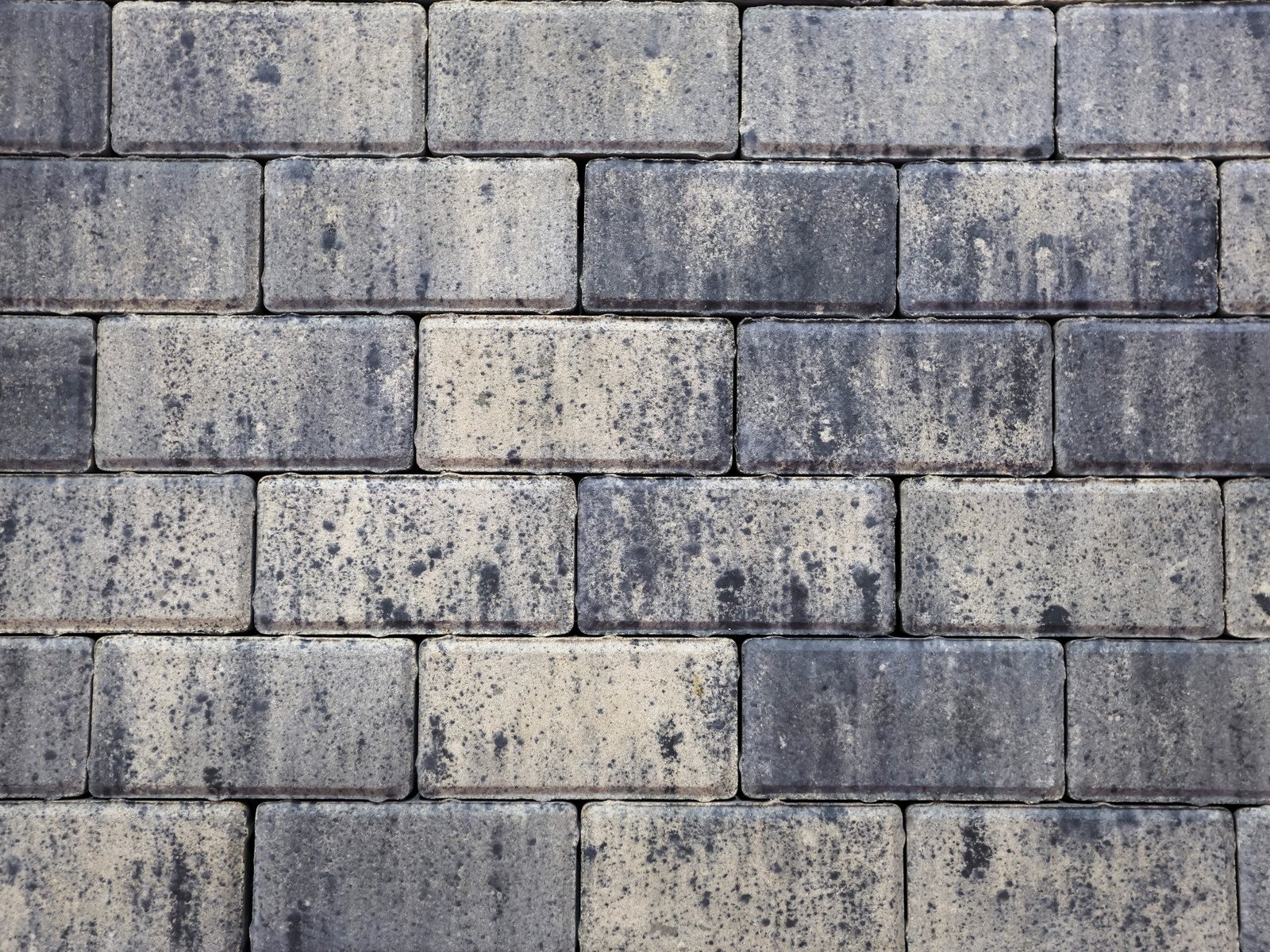
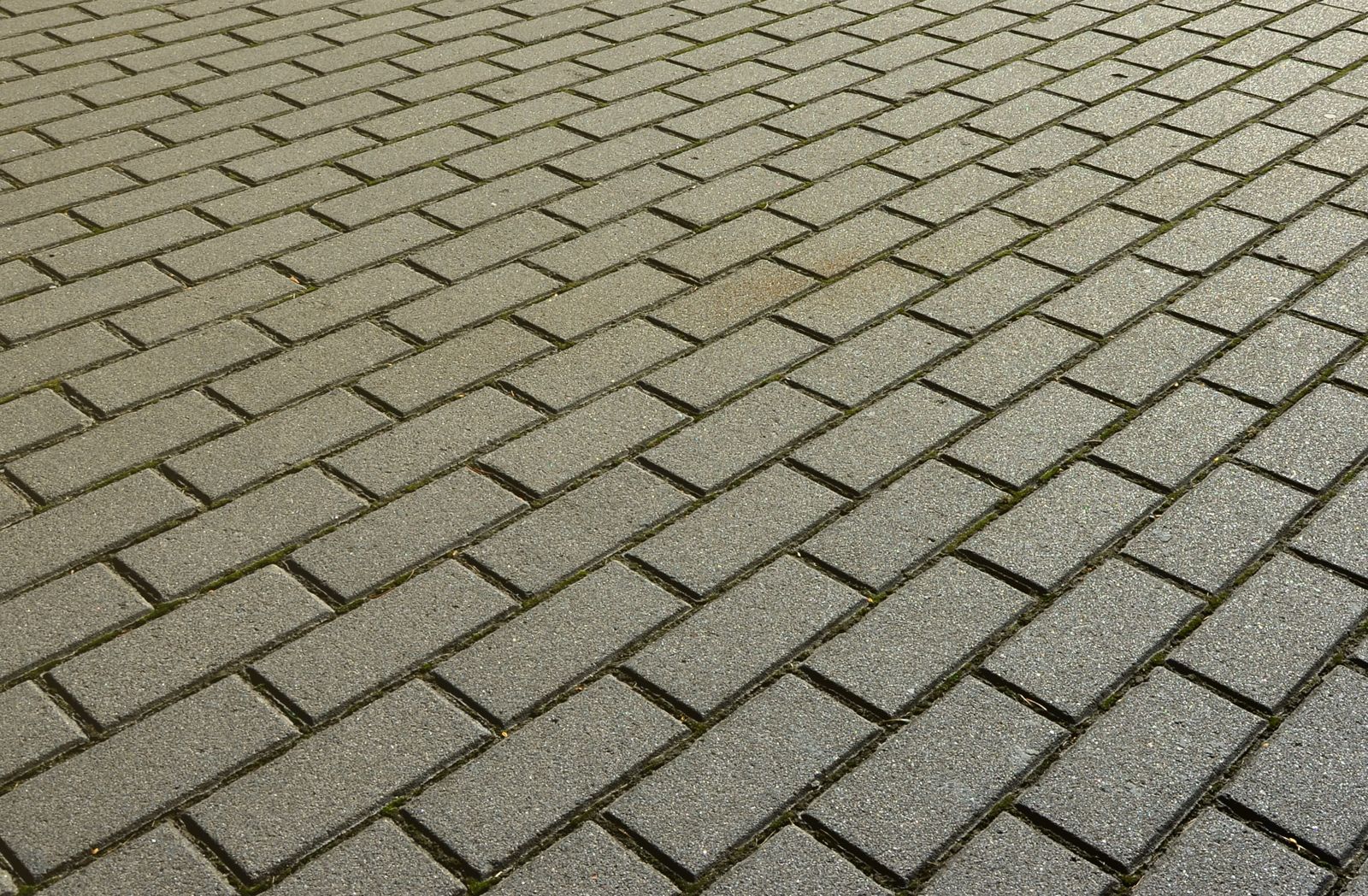
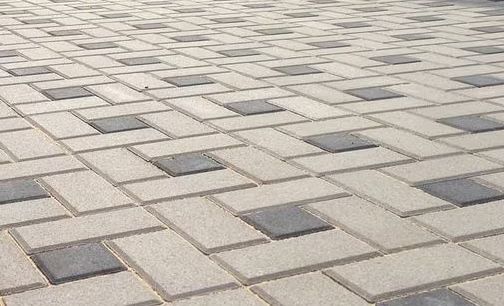
Interlock is a pressed cement-concrete paver, and for most outdoor uses it costs less per installed square metre than tiles. Before you choose a surface for a driveway, garage, garden or road, here is a factory's comparison of interlock against tiles, cast concrete and asphalt. The right choice for your project matters more than selling one more square metre.
Interlock against tiles, concrete and asphalt
| Criterion | Interlock | Ceramic / porcelain tiles | Cast concrete | Asphalt |
|---|---|---|---|---|
| Vehicle loads | Excellent (80 mm) | Poor, cracks | Good | Good |
| Installation | On sand, no mortar, fast | Concrete slab + mortar | Pour, reinforce, cure | Heavy plant |
| Maintenance and repair | Lift and re-lay a paver | Break out and re-tile | Break out whole bay | Visible patching |
| Drainage | Through the joints | No, needs falls and drains | No | No |
| Slip when wet | Low (shotblast / washed) | High | Medium | Low |
| Shapes and colours | Very wide | Wide | Limited | One |
| Utilities under the surface | Easy: lift and re-lay | Hard | Very hard | Hard |
| Best use | Driveways, garages, gardens, roads, pavements | Indoors and covered terraces | Simple slabs, foundations | Highways |
Why interlock wins outdoors
- Load capacity by thickness: 60 mm pedestrian, 80 mm vehicles.
- Fast installation with no mortar and no curing: walk on it the same day.
- Any paver can be lifted and re-laid: utility work without demolition.
- Joints drain water and reduce puddling.
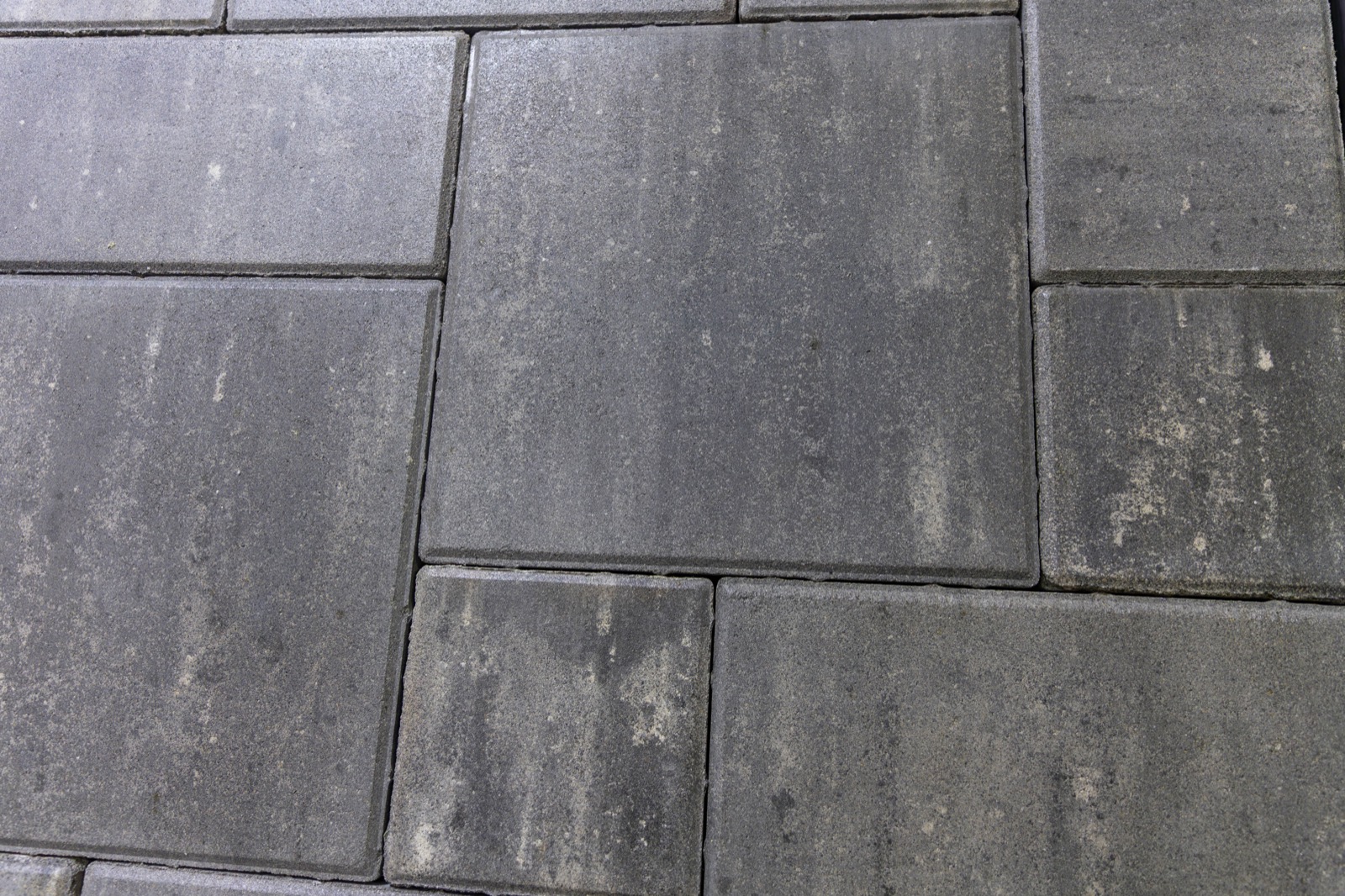
- Non-slip in shotblast and washed finishes.
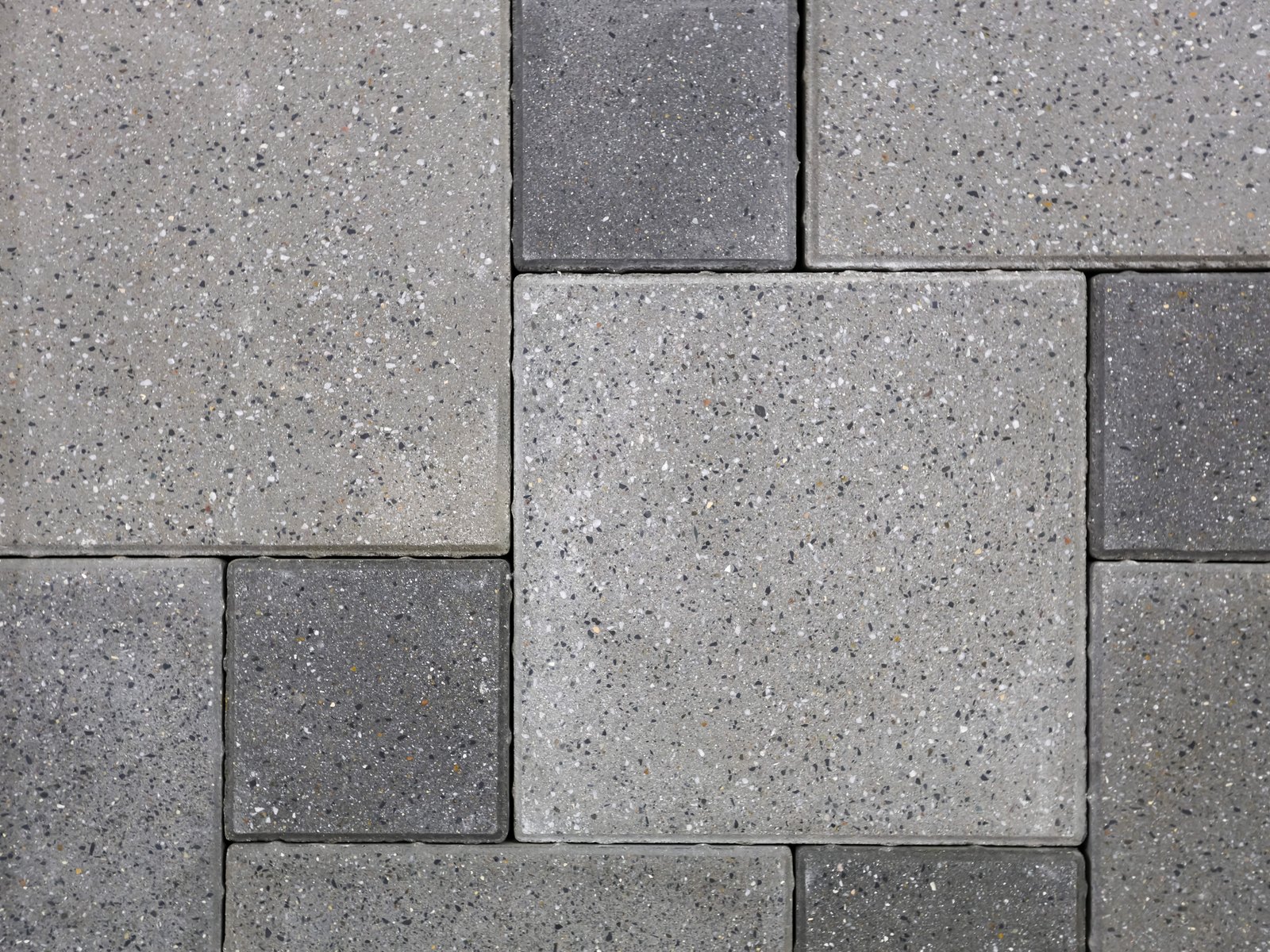
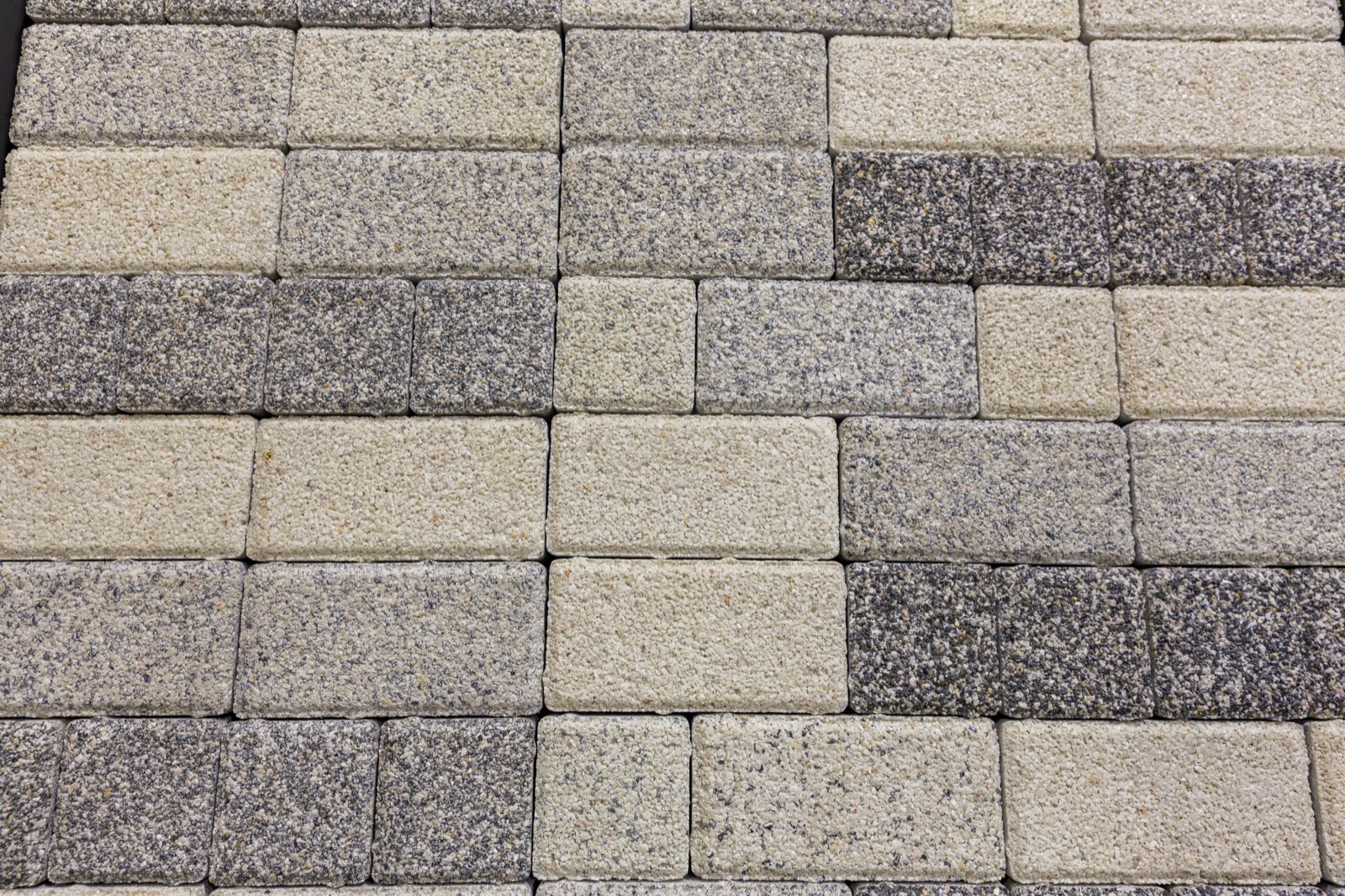
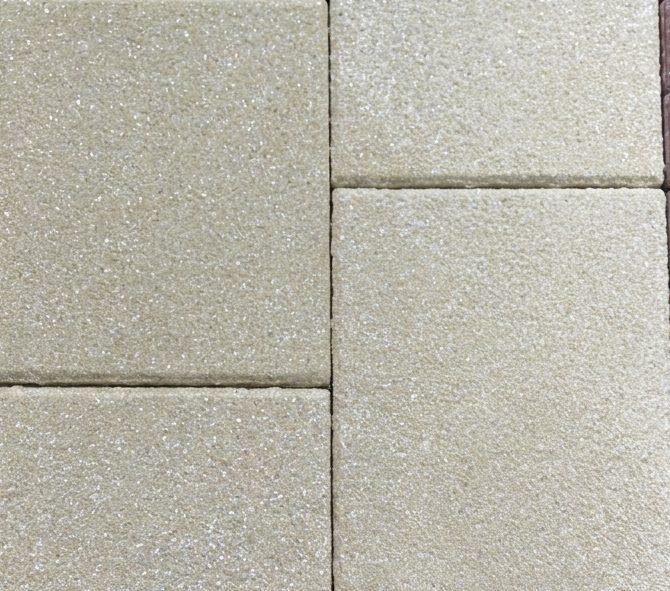
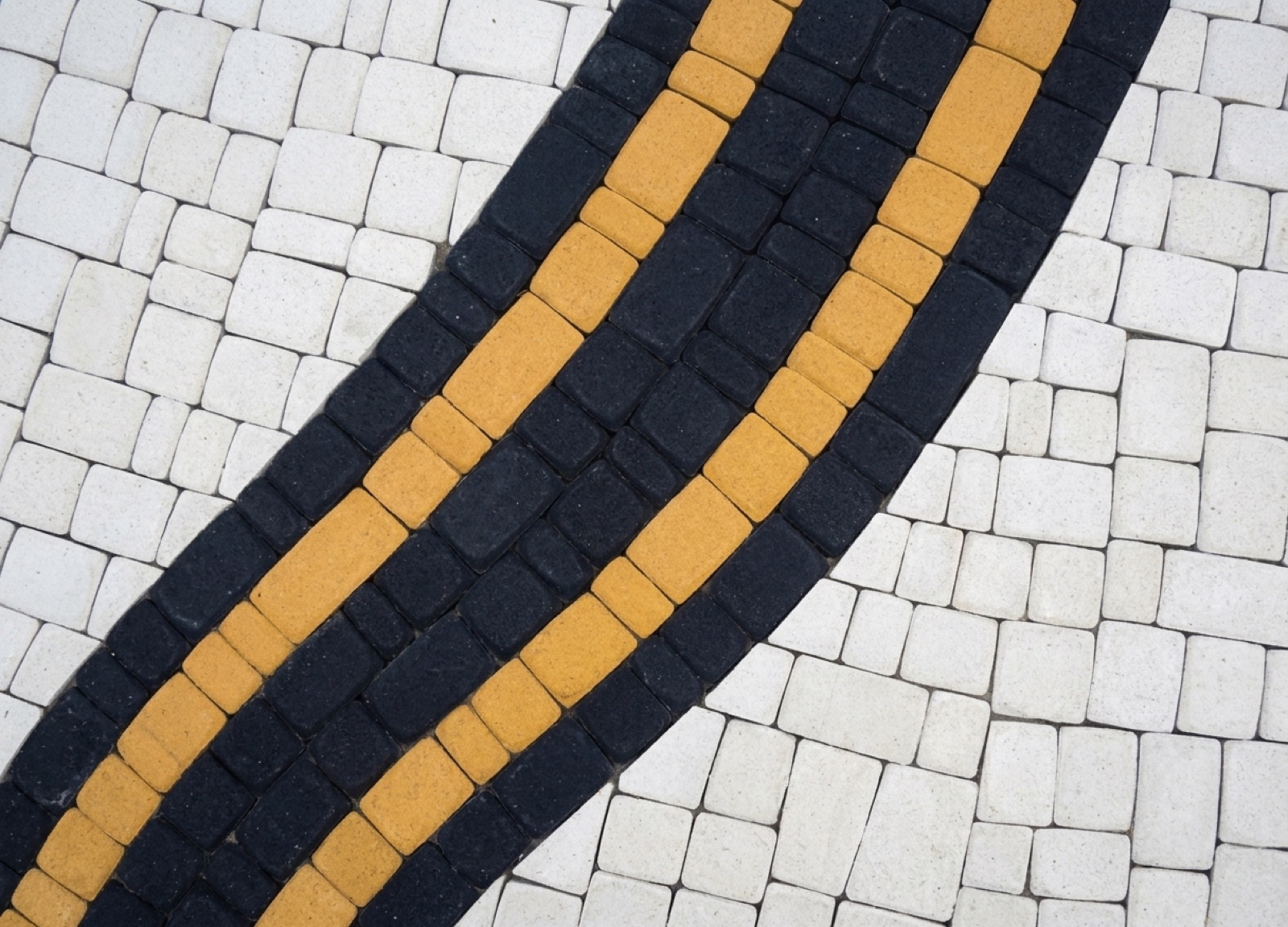
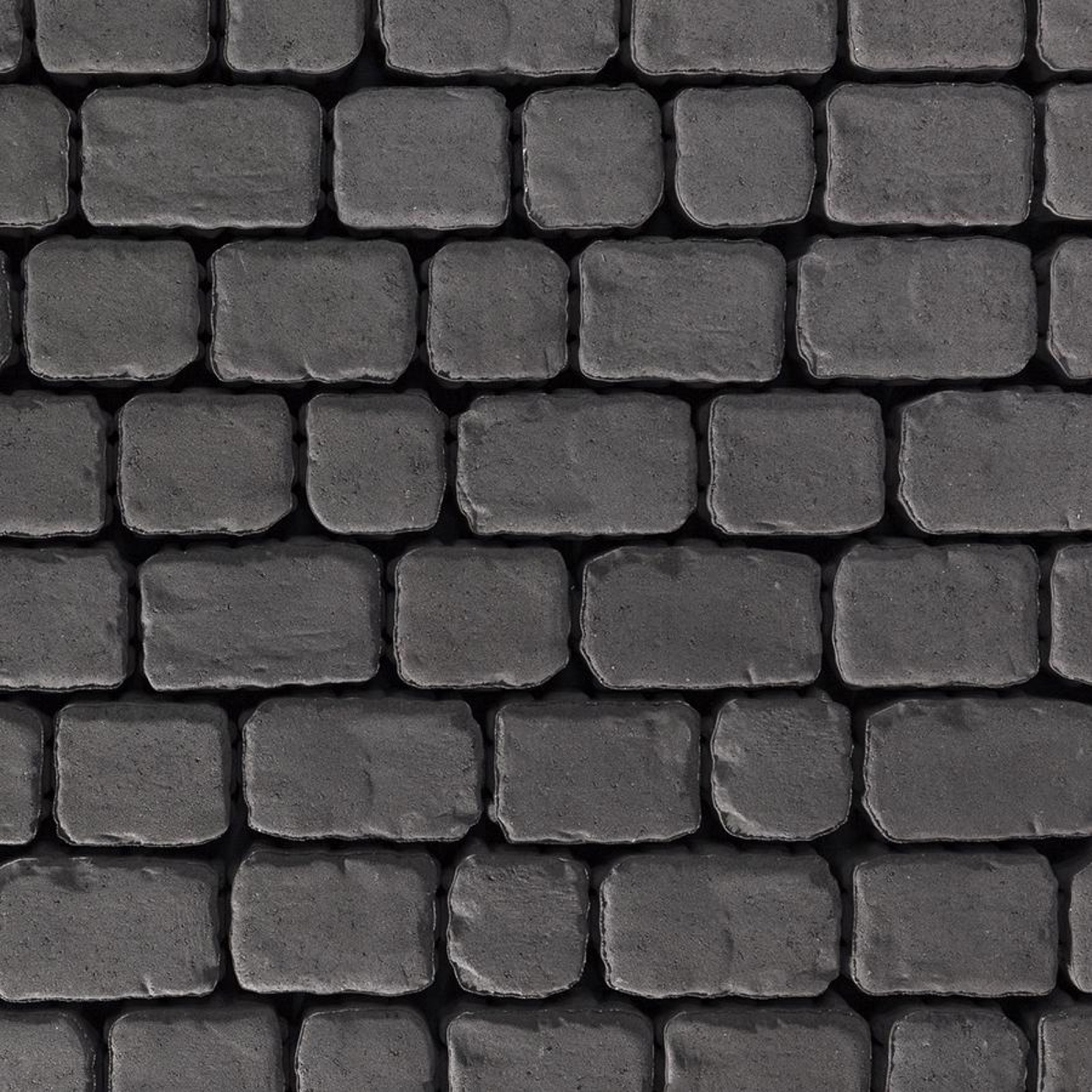
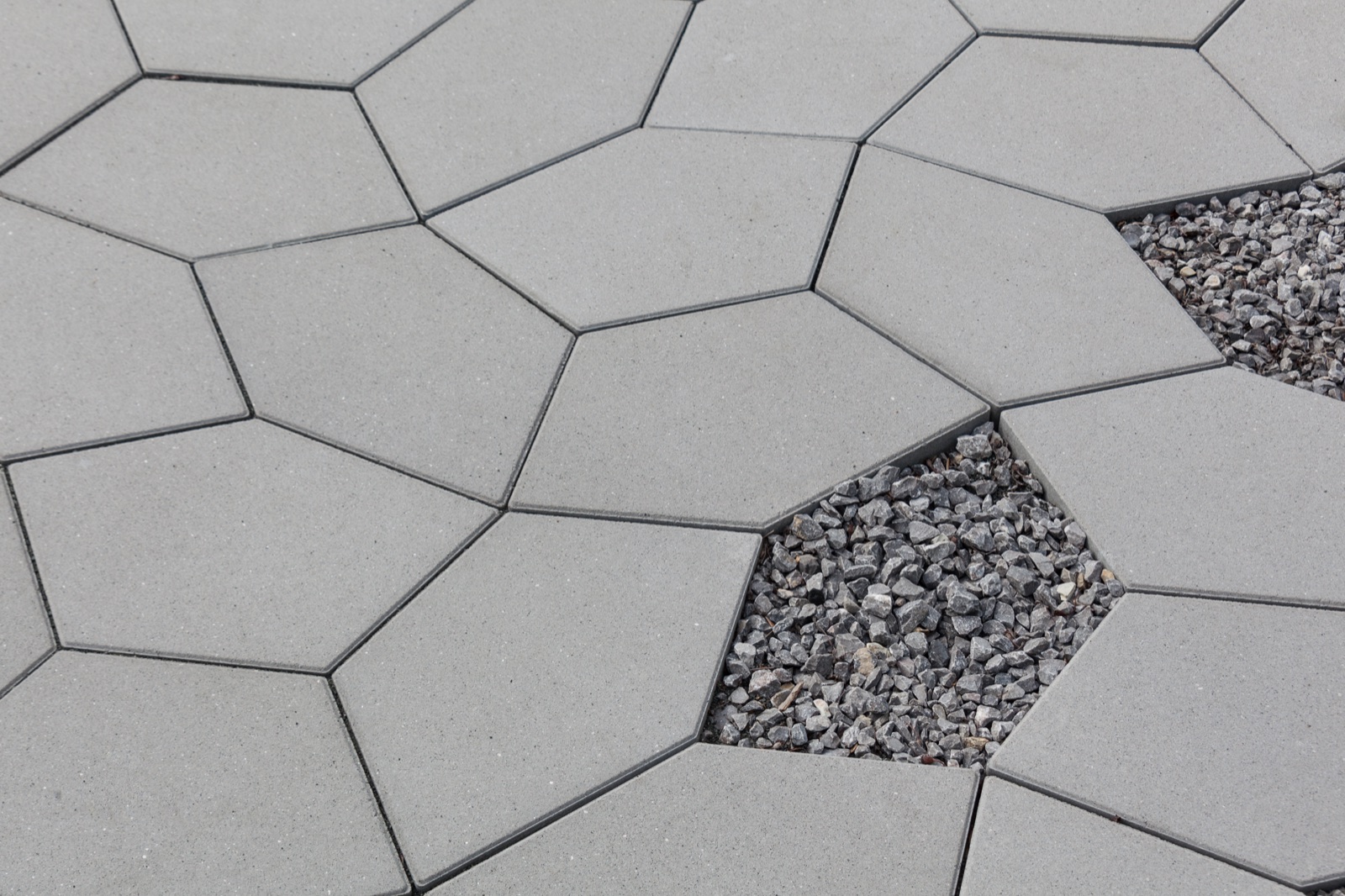
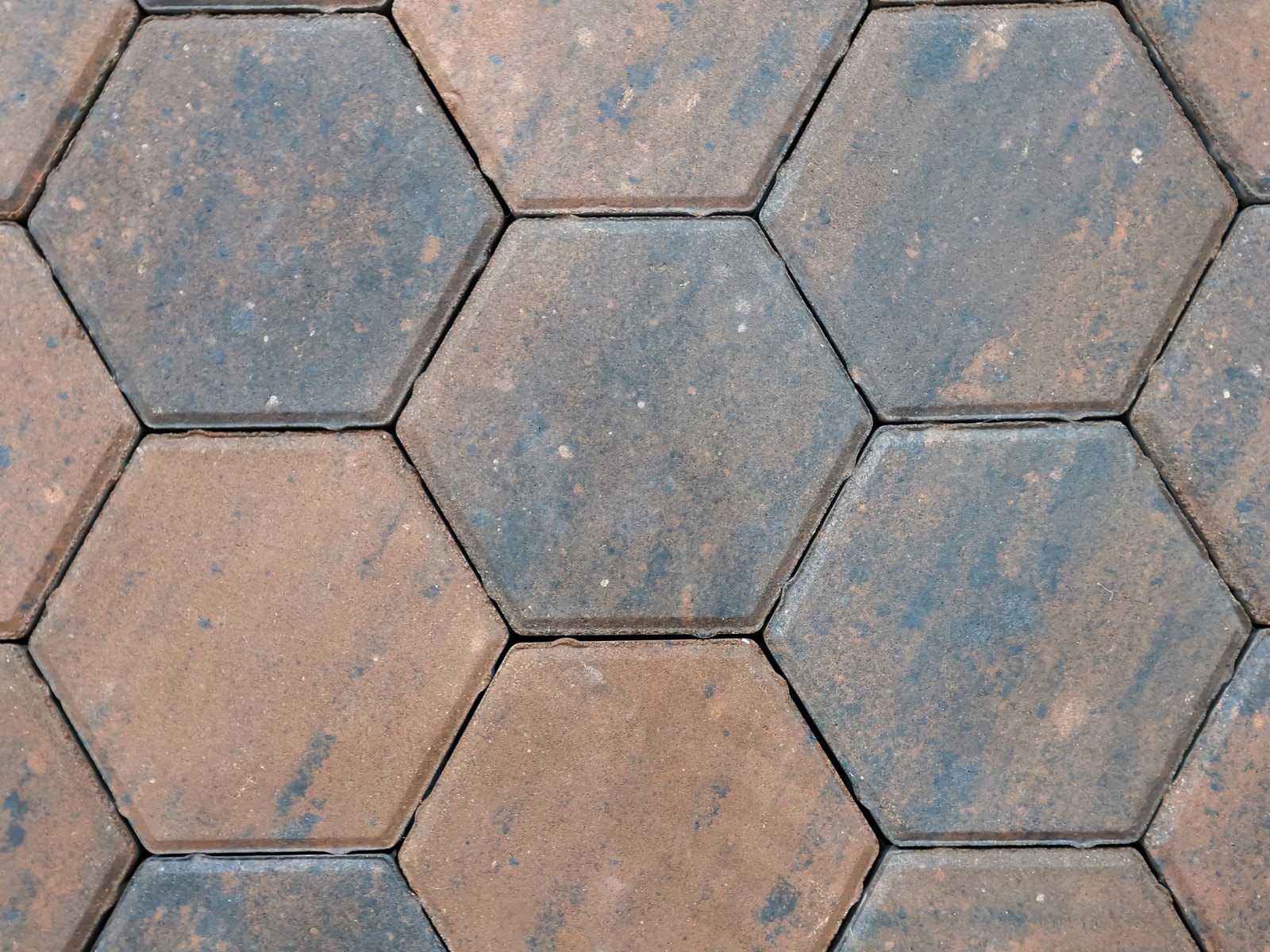
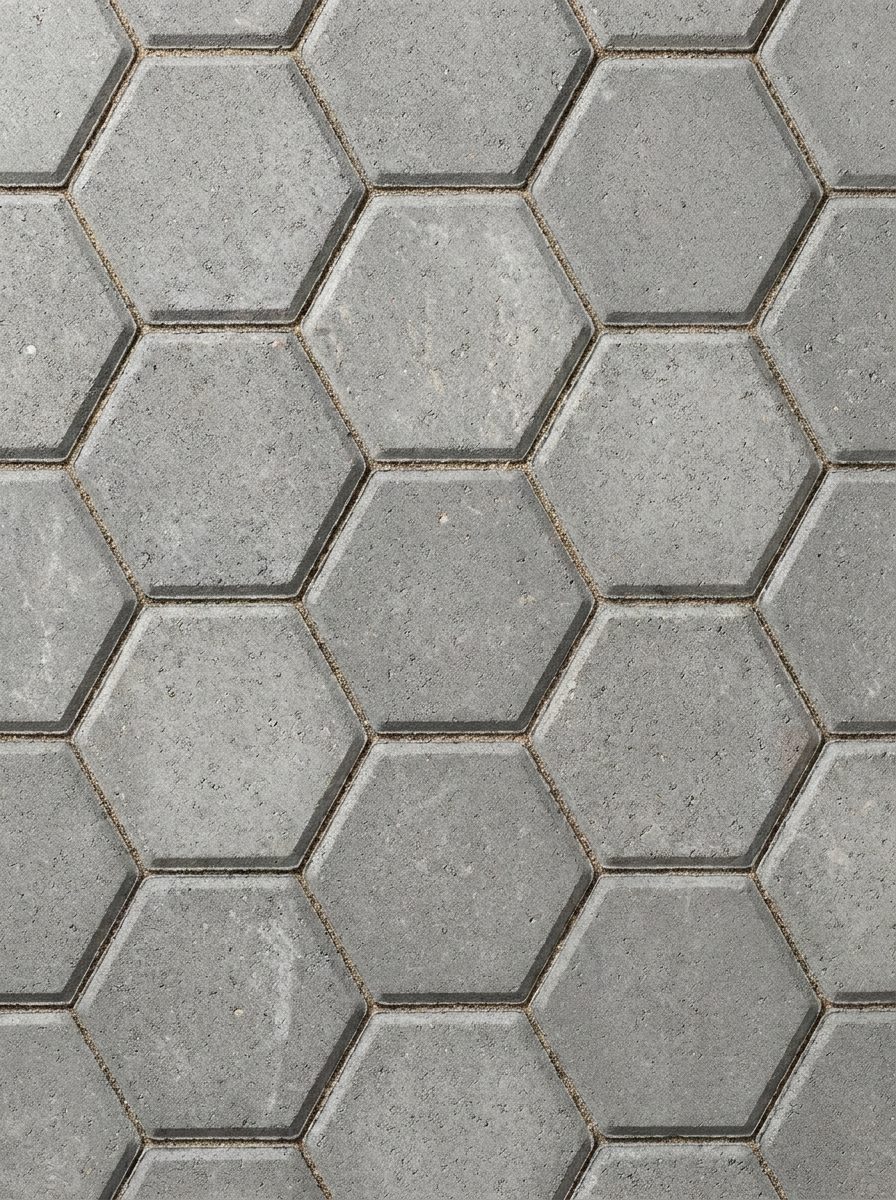
- Wide choice of shapes, colours and finishes, from standard to GRANIX granite look.
- From an ASTM C936 and BS EN 1338 certified factory you know the compressive strength and absorption as numbers.
When to choose interlock
- Villa driveway or garage
- 80 mm interlock. Tiles crack under a car; cast concrete cracks and is hard to repair.
- Garden or paths
- 60 mm interlock, or GRANIX / ONIX for the look. Joints drain irrigation water.
- Compound roads
- 80 mm interlock. Fast to lay, and any paver can be swapped if utilities need work.
- Parking and commercial entrances
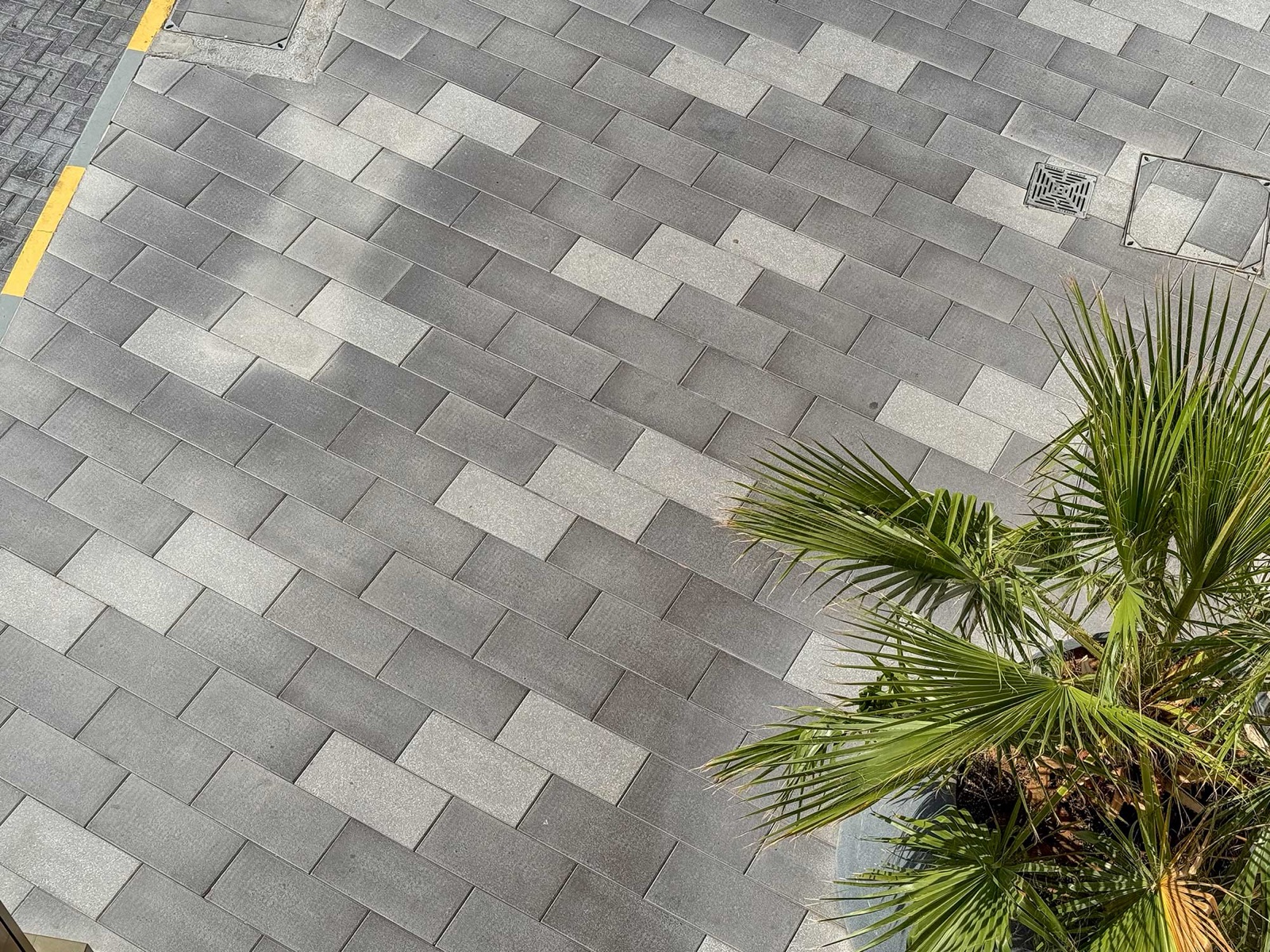
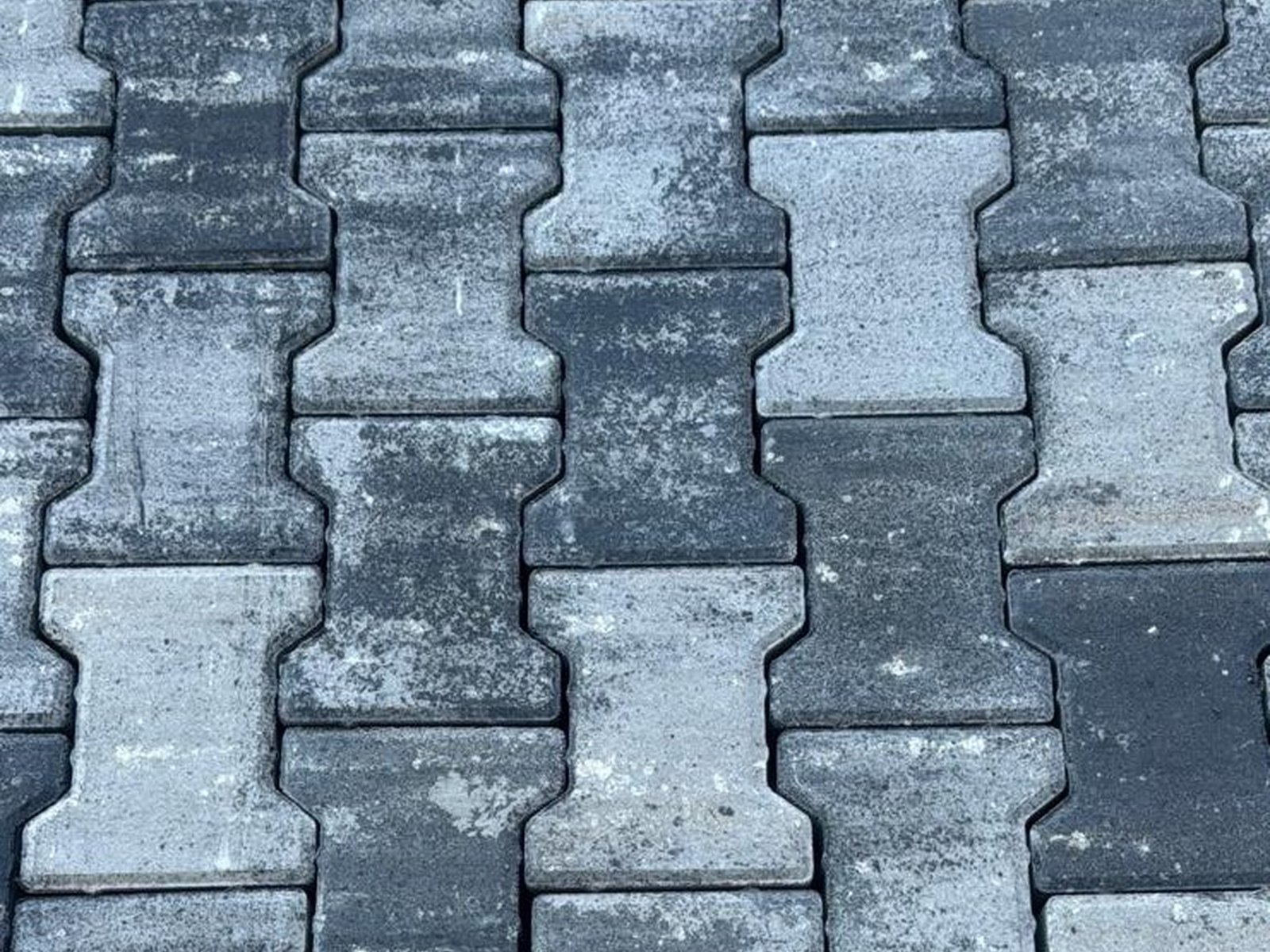
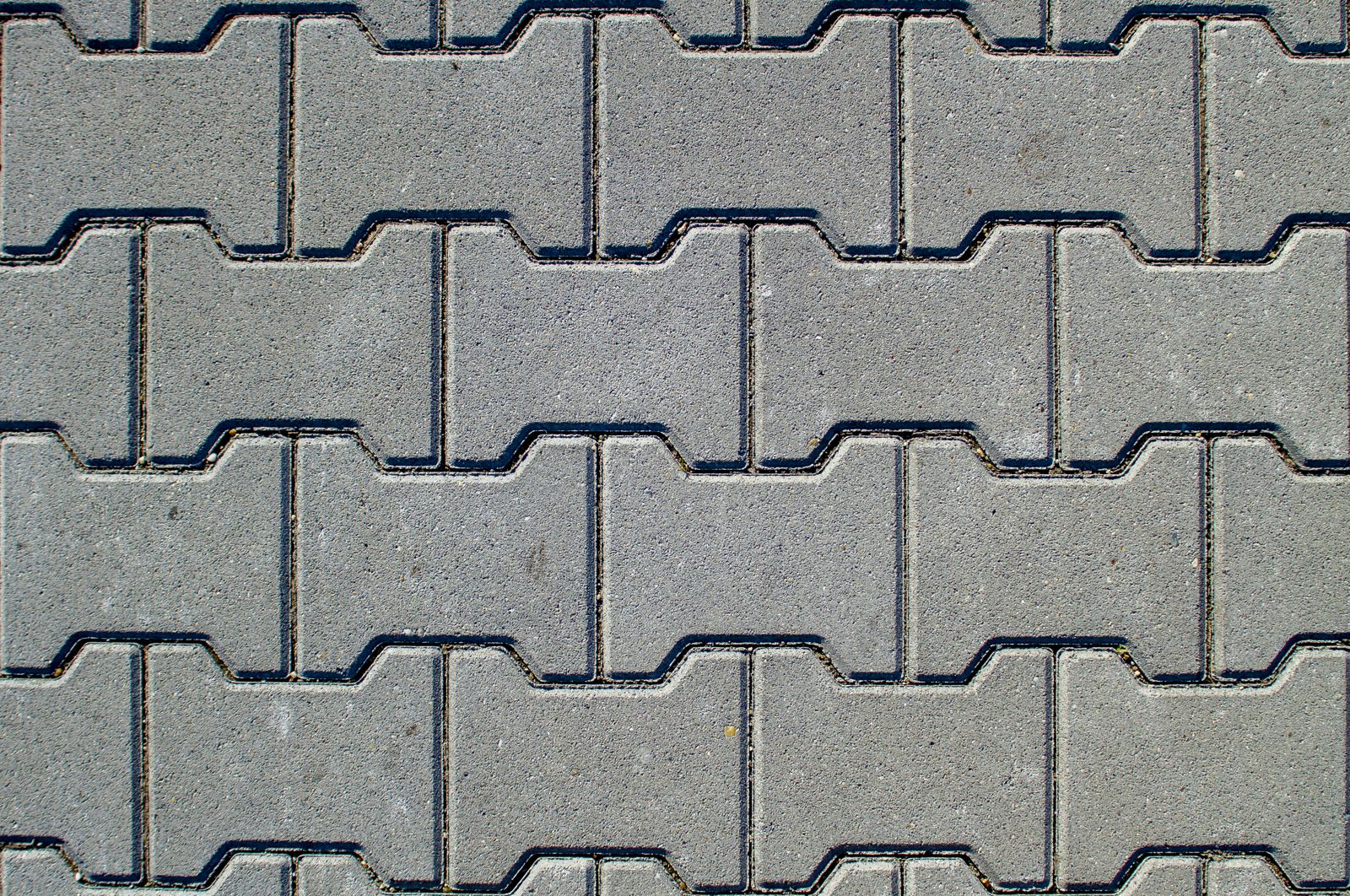
- 80 mm I-shape interlock. Interlocks on every side and spreads vehicle loads.
- Indoor floor or covered terrace
- Here tiles or porcelain are the sensible choice. Interlock is designed for outdoors.
Buyer FAQ
Questions people ask before buying
What is the difference between interlock and tiles?
Interlock is a pressed cement-concrete paver, 60 or 80 mm thick, laid dry on sand with no mortar. It carries vehicles, drains through the joints, is non-slip in shotblast or washed finishes, and single pavers can be lifted and replaced. Ceramic and porcelain tiles are thin, need a concrete slab and mortar, crack under point loads and are slippery when wet. Per square metre installed, interlock is also cheaper than outdoor tiling because there is no slab, no adhesive and less labour.
What are the advantages of interlock?
Load capacity by thickness, fast installation with no mortar or curing time, drainage through the joints, easy lifting and re-laying for repairs, a wide choice of shapes, colours and finishes, and a lower cost per m² than tiles or cast paving. From an ASTM C936 and BS EN 1338 certified factory you also get the strength and absorption figures in writing.
Is interlock better than cast concrete for a driveway?
For most driveways, yes. Cast concrete cracks with settlement and is hard to repair invisibly; 80 mm interlock flexes with the ground, drains, and any damaged paver can be swapped. Cast concrete only wins where a seamless surface is a design requirement.
Decided?
Order interlock direct from the factory
Send the area, use and site location and we will recommend thickness and shape and send a price per m².