How to Install Interlock Pavers, Step by Step
Interlock is laid dry on sand with no mortar. Whether the surface lasts for years or sinks after the first winter is decided by the base, the compaction and the edge restraint, not the paver. These are the steps any contractor should follow, and as a factory we see the result every day.
Pick the right thickness for the load
-
60 mm
Paths, gardens, pedestrian plazas, pool decks
-
80 mm
Villa driveways, garages, compound roads, parking
Eight steps from bare ground to final compaction
- 01
Set out the area and the fall
String-line the boundary and set a 1–2% fall away from buildings for drainage. Build the fall into the base layer, not the sand.
- 02
Excavate and prepare the ground
Remove topsoil or weak fill to a depth of: paver thickness + 4–5 cm sand + base (10–15 cm for pedestrians, 20–30 cm for vehicles). Compact the formation.
- 03
Lay and compact the base
Spread graded crushed stone in 10 cm layers and compact each with a plate compactor until firm. This is the single most important step.
- 04
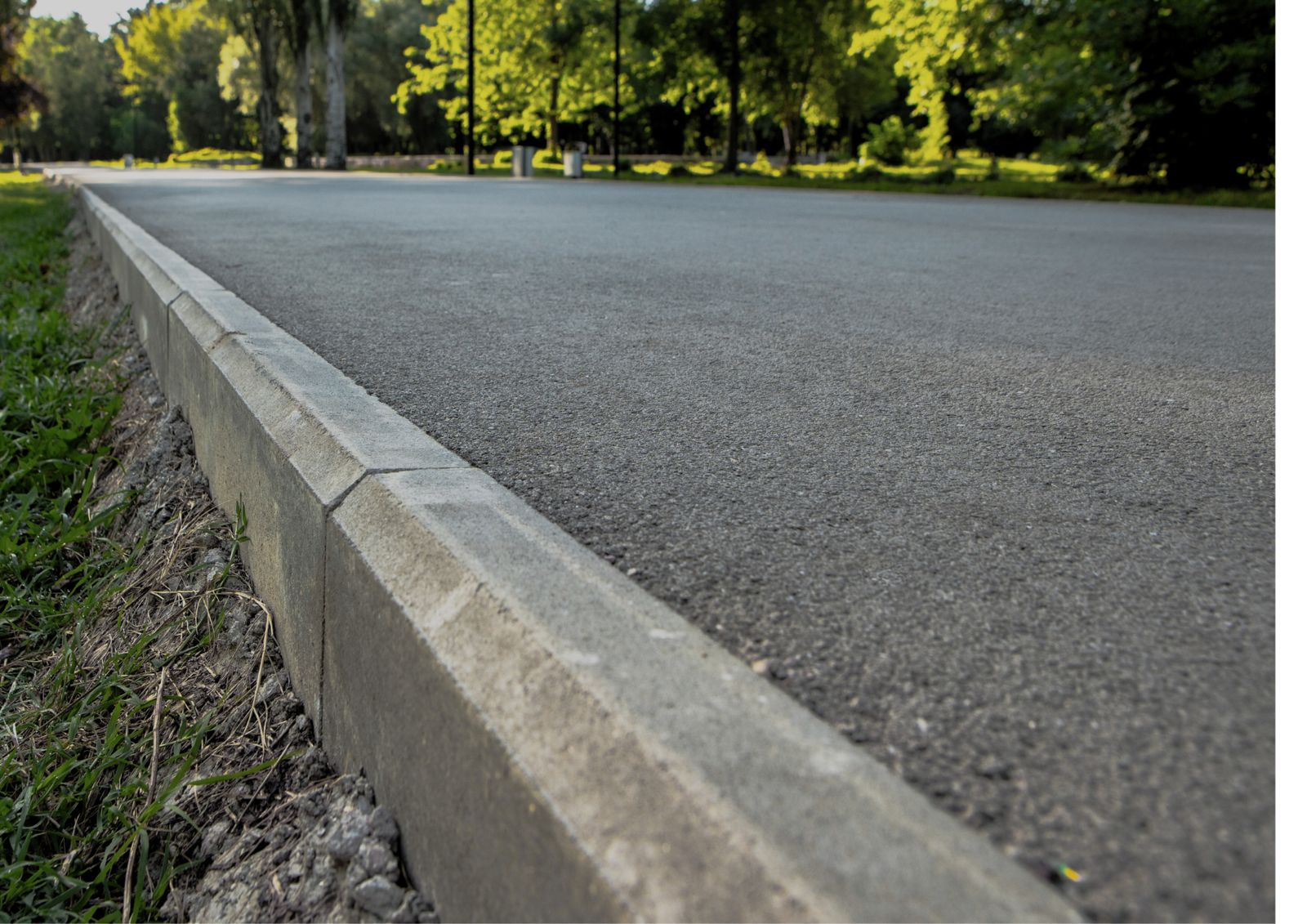
Fix edge restraints and curbstones
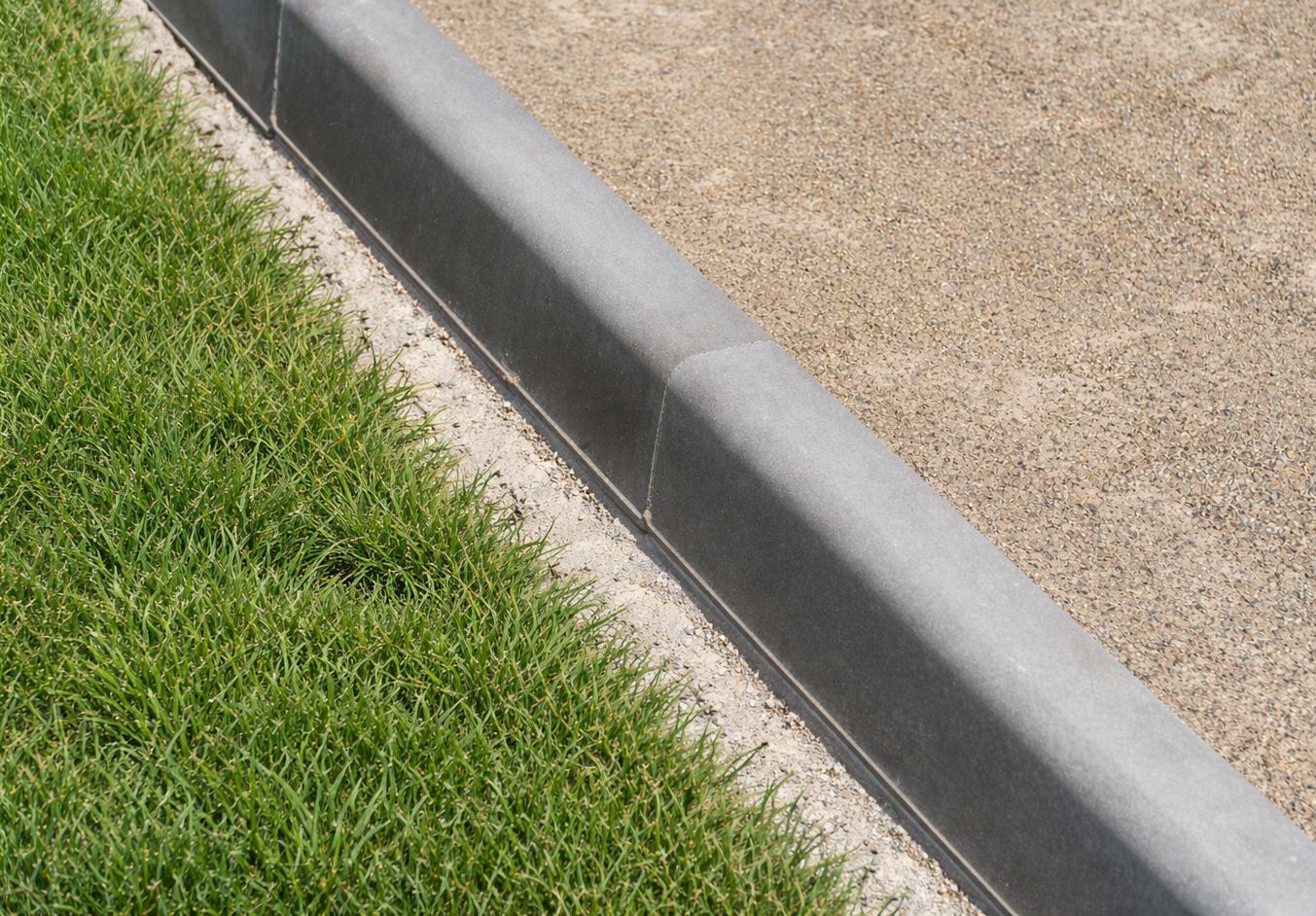
Set curbstones or edge restraints in mortar on the base before laying. Without fixed edges the pavers creep sideways and joints open.
- 05
Screed the bedding sand
Spread clean coarse sand 4–5 cm thick and screed it level over guide rails. Do not walk on or compact the screeded sand.
- 06
Lay the pavers
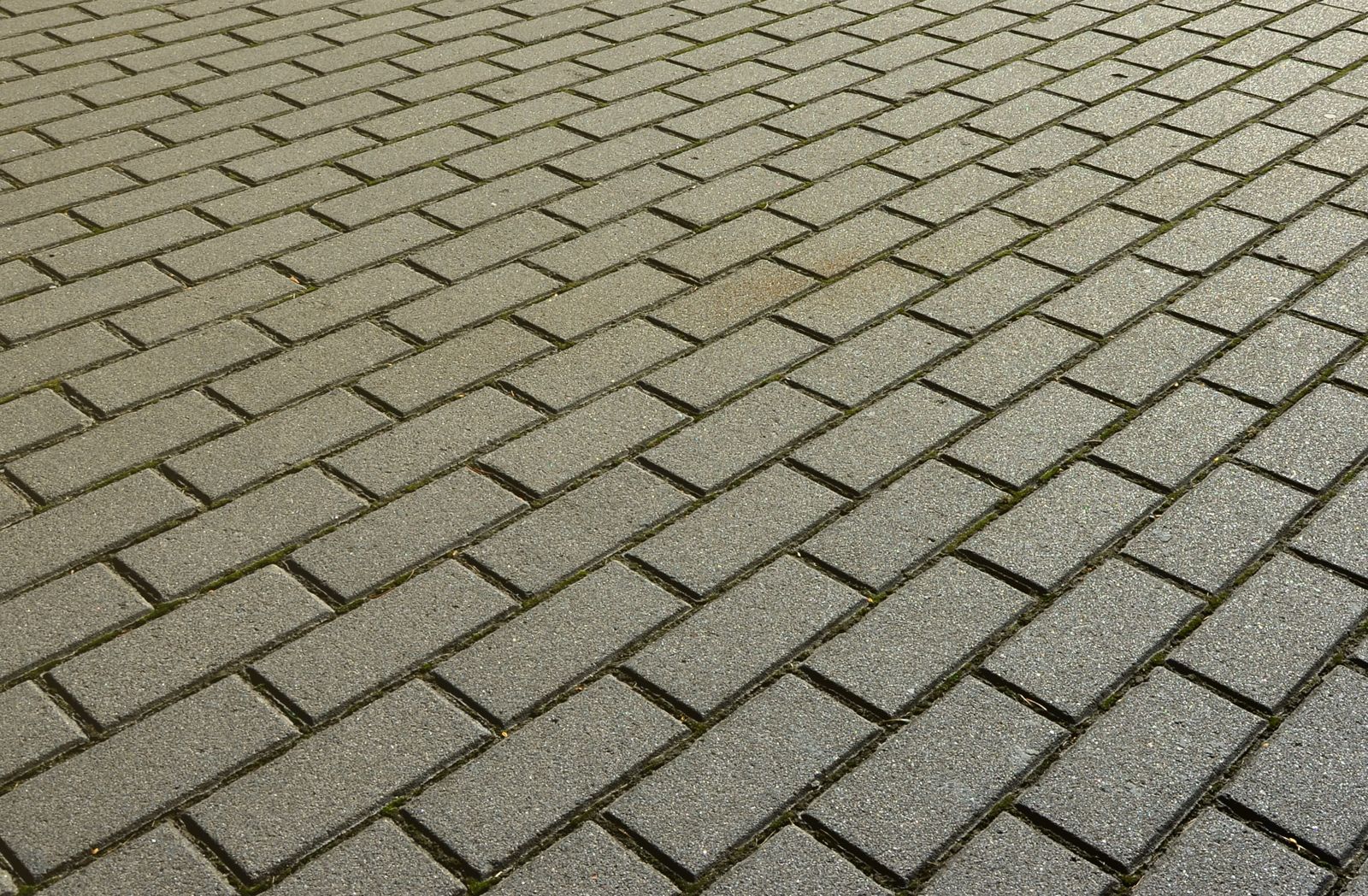
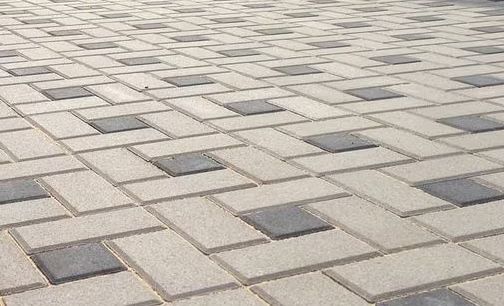
Start from a fixed corner or curb and lay to pattern (herringbone for vehicles; stretcher or basket-weave for paths). Keep 2–3 mm joints and work from the laid pavers, never from the sand.
- 07
Cut and infill
Cut edge pieces with a concrete saw or block splitter. Avoid pieces smaller than a third of a paver where possible.
- 08
Joint sand and final compaction
Spread dry fine sand, sweep it into the joints and compact with the plate compactor (rubber pad on textured finishes). Repeat sanding and compaction two or three times until joints are full.
Approximate quantities per square metre
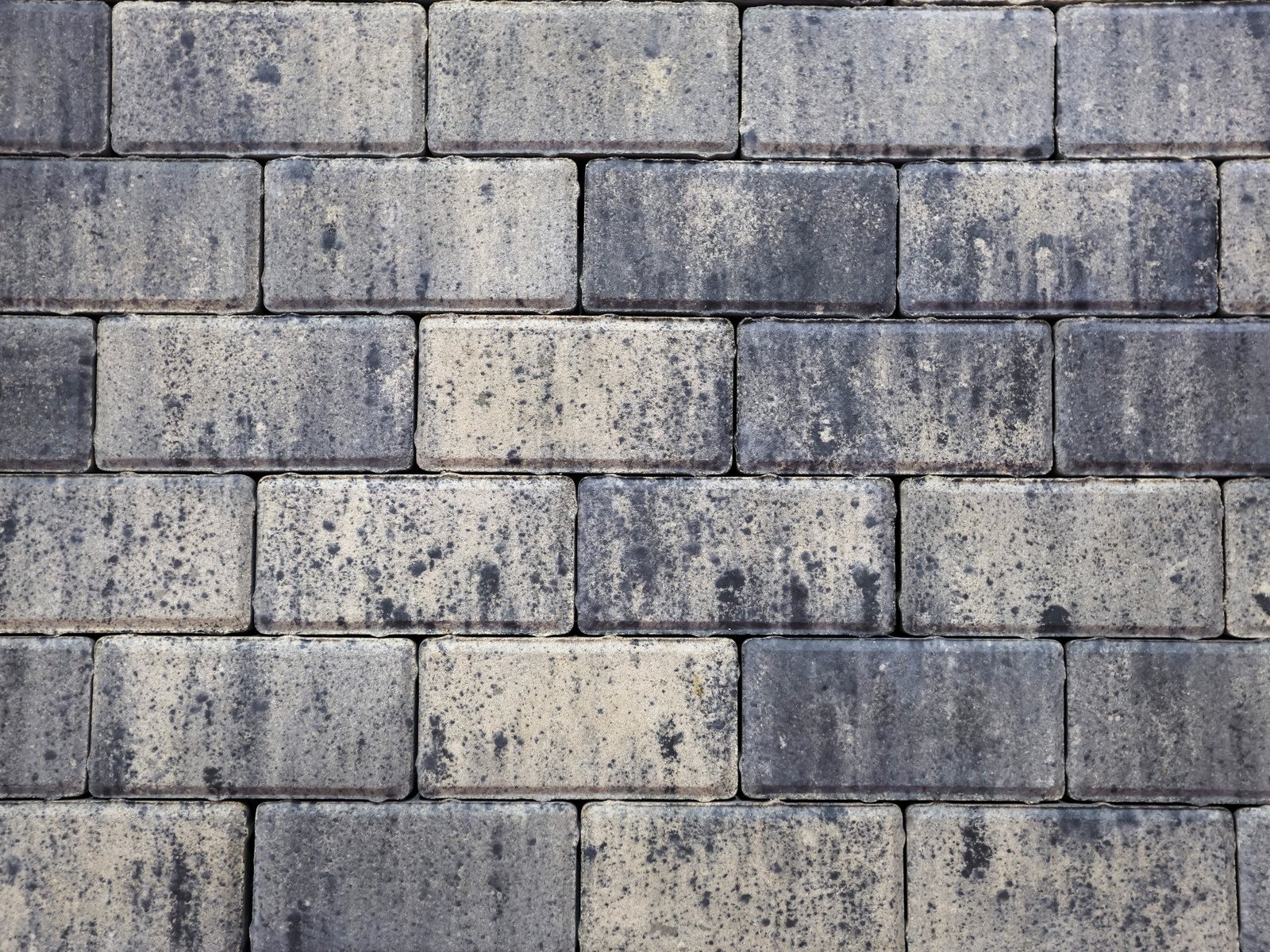
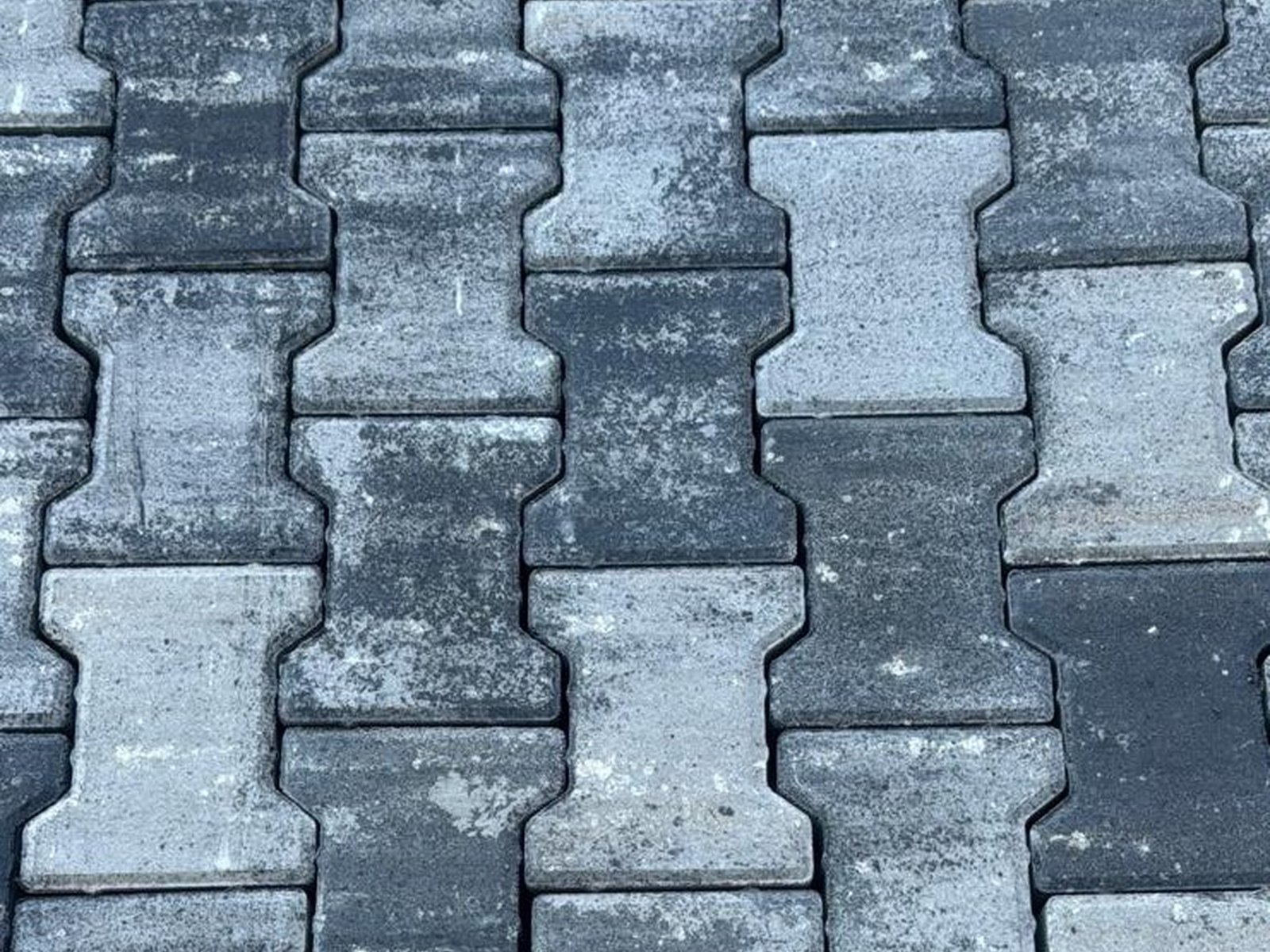
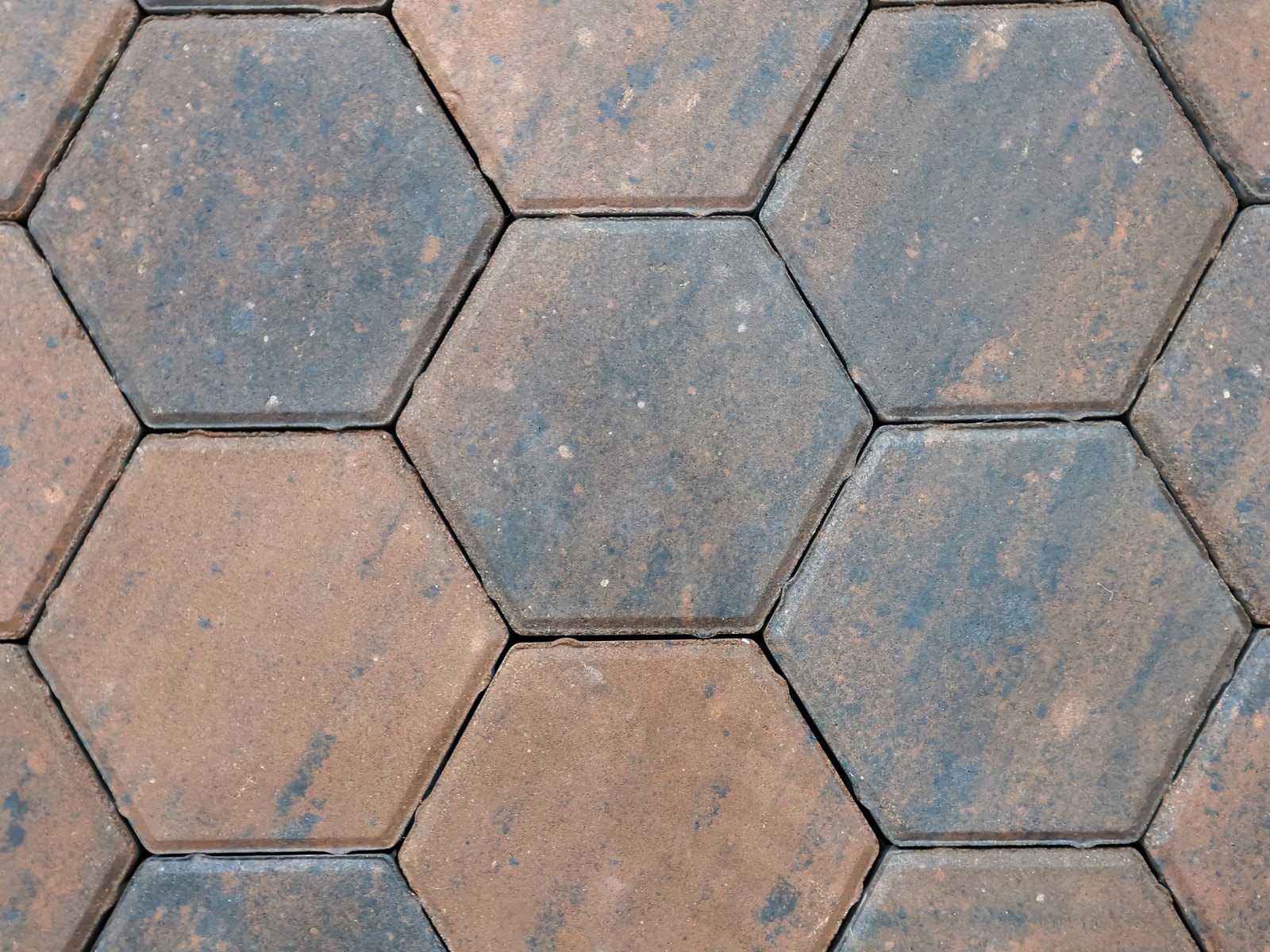
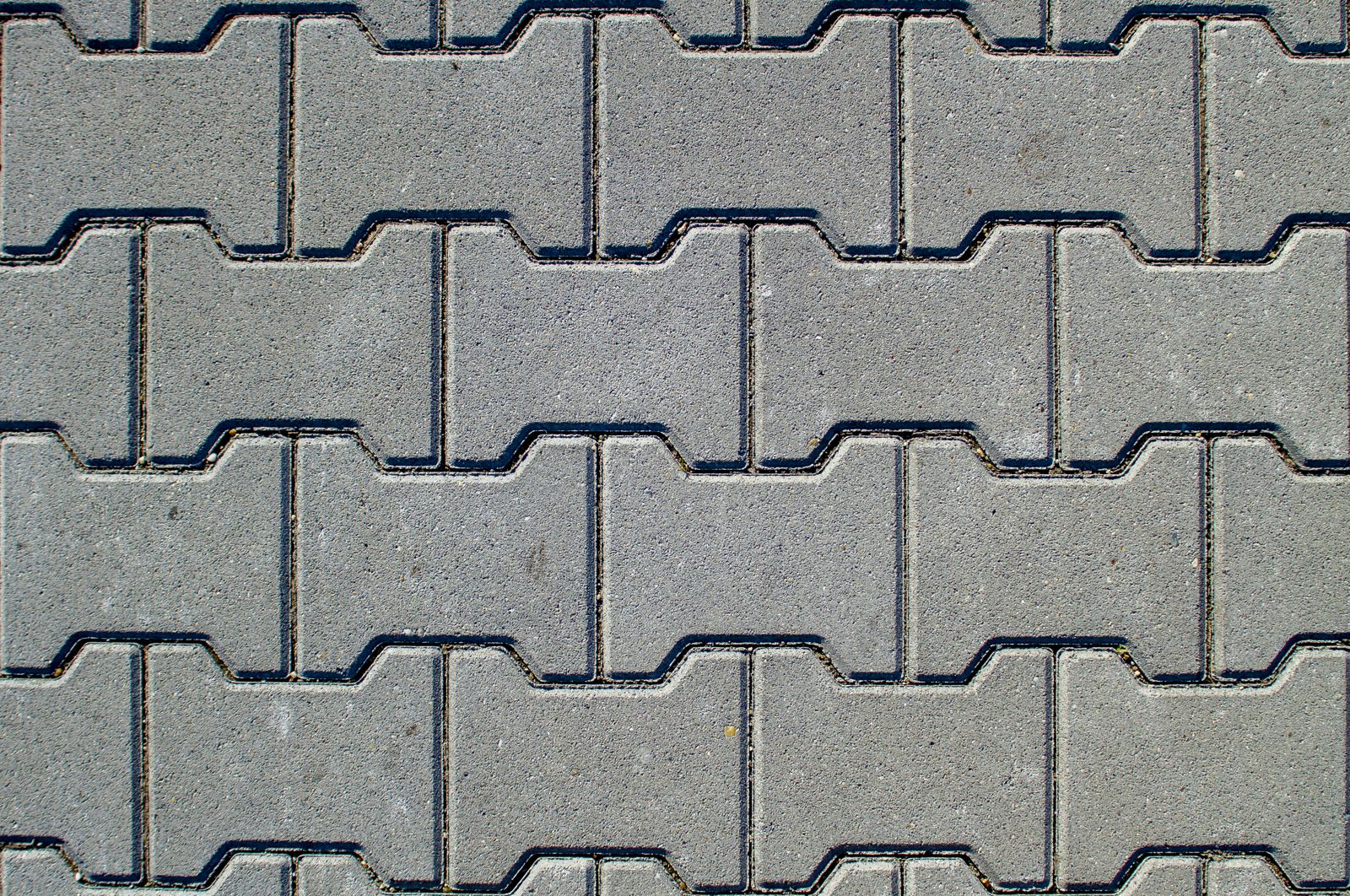
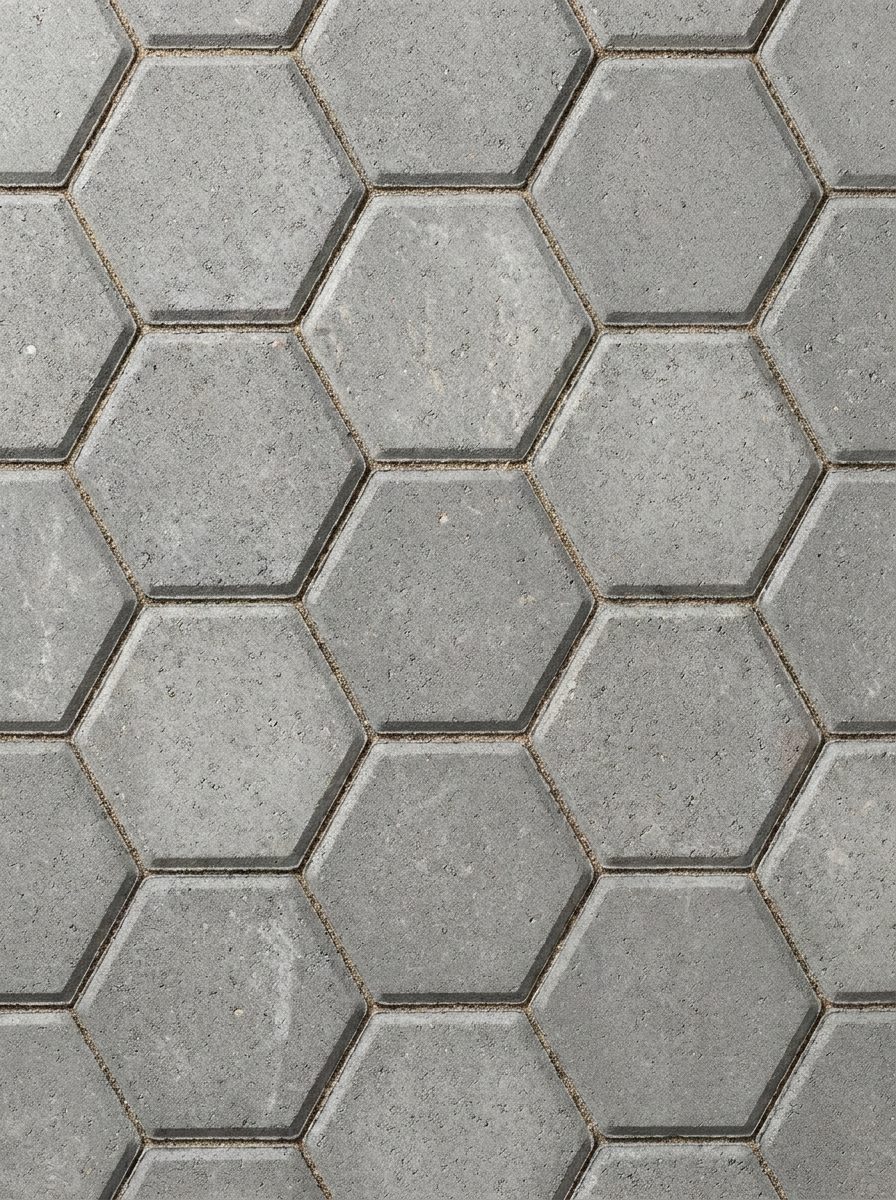
| Interlock pavers | By shape: rectangular 10×20 = 50 pcs, square 10×10 = 100, I-shape = 36, hexagonal = 29 (+3–5% cutting waste) |
|---|---|
| Base layer | 0.10–0.15 m³ pedestrian, 0.20–0.30 m³ vehicles (compacted) |
| Bedding sand | 0.04–0.05 m³ (4–5 cm layer) |
| Joint sand | 3–5 kg dry fine sand |
| Curbstones | By perimeter length, linear metres |
Why interlock sinks or spreads
- Weak or uncompacted base: the first and biggest cause of settlement.
- No fixed edges: pavers creep sideways and joints open.
- Bedding sand thicker than 5 cm: it shifts under the pavers and ripples.
- Skipping joint sand or using damp sand: pavers never lock together.
- Compacting a textured surface without a rubber pad: it scuffs the face.
DIY or contractor?
A garden path or small terrace on level ground is a realistic DIY job with these steps. Anything vehicles will drive on, or ground that needs excavation and falls, needs a contractor with a plate compactor, saw and screed rails. We manufacture, we do not install, but the sales team can point you to contractors who have worked with our products in your area.
Installation FAQ
Questions about installing interlock
Can I lay interlock pavers myself?
For a small garden path or patio, yes, if you prepare a compacted base, set edge restraints and screed 3 to 5 cm of bedding sand. For driveways, roads and anything carrying vehicles, hire a contractor with a plate compactor: base preparation is what decides whether the surface stays flat.
Does interlock need cement or mortar?
No. Interlock is laid dry on a sand bed and locked by joint sand and compaction. That is what lets you lift and re-lay pavers for repairs or underground works. Mortar is used only for edge restraints and curbstones.
How long does interlock installation take?
A two-person crew typically lays 40 to 60 m² of standard interlock a day once the base is ready. Base preparation usually takes as long as the laying itself.
What is the most common installation mistake?
Rushing the base: not compacting enough, or skipping the edge restraint. The result is pavers that sink or spread from the sides after the first winter.
Ready to start?
Order interlock direct from the factory
Send the area, shape, thickness and site location and we will reply with a price per m² and a delivery date.